
 Produto indisponível
 Este produto está temporariamente indisponível.
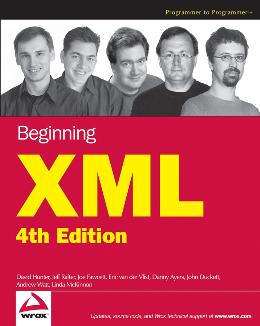
 When the first edition of this book was written, XML was a relatively new language but already gaining ground fast and becoming more and more widely used in a vast range of applications. By the time of the second edition, XML had already proven itself to be more than a passing fad, and was in fact being used throughout the industry for an incredibly wide range of uses. With the third edition, it was clear that XML was a mature technology, but more important, it became evident that the XML landscape was dividing into several areas of expertise. Now in this edition, we needed to categorize the increasing number of specifications surrounding XML, which either use XML or provide functionality in addition to the XML core specification. So what is XML? It´s a markup language, used to describe the structure of data in meaningful ways. Anywhere that data is input/output, stored, or transmitted from one place to another, is a potential fit for XML´s capabilities. Perhaps the most well-known applications are web-related (especially with the latest developments in handheld web access—for which some of the technology is XML-based). However, there are many other non-web-based applications for which XML is useful—for example, as a replacement for (or to complement) traditional databases, or for the transfer of financial information between businesses. News organizations, along with individuals, have also been using XML to distribute syndicated news stories and blog entries.
| Peso: | 1.338 kg |
| Número de páginas: | 1080 |
| Ano de edição: | 2007 |
| ISBN 10: | 0470114878 |
| ISBN 13: | 9780470114872 |
| Altura: | 24 |
| Largura: | 8 |
| Comprimento: | 6 |


Todas as regras e promoções são válidas apenas para produtos vendidos e entregues pela Cliquebooks.
CNPJ: 622770410001/87 | Av. Marginal Direita do Tiete, 800 - CEP: 05118-100 - São Paulo - SP
TEL: (11) 3226-3066 Atendimento ao cliente pelo e-mail atendimento@cliquebooks.com.br
Nós usamos cookies para melhorar a sua experiência no site e, ao continuar navegando, você concorda com essas condições. Acesse o nosso Portal de Privacidade para visualizar nossas Política de Privacidade, Política de Cookies e Termo de Compromisso e Uso do Site.









Avaliações